
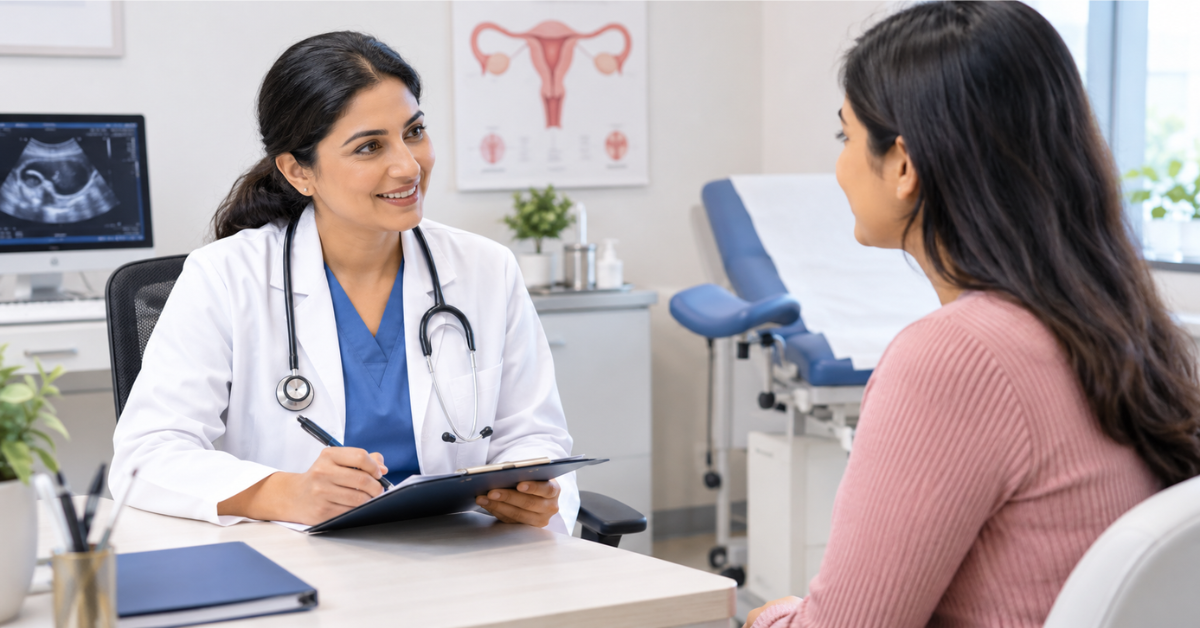
Visiting a gynecologist for the first time may feel unfamiliar, especially if you are unsure what to expect. However, the appointment is an opportunity to discuss your menstrual health, reproductive concerns, and overall well-being in a comfortable, supportive environment. The consultation depends on your age, symptoms, medical history, and reason for visiting.
Why Do You Need A Gynecology Appointment?
A gynecology appointment can help address concerns such as irregular periods, painful menstruation, unusual vaginal discharge, pelvic discomfort, contraception, fertility, or reproductive health. You can also seek guidance about menstrual changes, preventive care, and questions about your body, even when you do not have specific symptoms.
What Happens During The First Visit?
Medical History And Menstrual Health
The gynecologist may ask about your menstrual cycle, the date of your last period, bleeding patterns, and pain, along with previous medical conditions, medications, allergies, and relevant family history. Depending on your concerns, questions about sexual health, pregnancy, or contraception may also arise.
Answering honestly helps the doctor understand your needs. You can ask why a particular question is relevant if you feel uncomfortable or need clarification.
General Physical Assessment
Depending on the reason for your visit, the doctor may check your blood pressure, weight, or other general health indicators. A physical examination may be recommended if your symptoms or medical history make it necessary.
A pelvic examination is not automatically required during every first appointment. Some visits involve only discussion, counselling, and medical history. If an examination or test is recommended, the gynecologist should explain its purpose and what it involves.
How Should You Prepare For Your Appointment?
A little preparation can make your consultation more useful. Consider these steps:
- Note the date of your last period and any unusual menstrual changes.
- Write down your symptoms, when they started, and how frequently they occur.
- Bring relevant medical reports, previous prescriptions, and a list of medicines.
- Prepare questions about contraception, fertility, menstrual pain, or other concerns.
- Share relevant health information honestly so the doctor can offer appropriate guidance.
You generally do not need to delay an appointment simply because you are menstruating. However, ask the clinic beforehand if you are scheduled for a particular test that may require specific preparation.
Privacy, Consent, And Asking Questions
Your comfort and informed consent matter throughout the appointment. Before an intimate examination, the healthcare professional should explain why it may be needed, describe the process, and obtain your consent. You can ask questions, request that the examination stop, or discuss your concerns before proceeding.
If you feel nervous, tell the doctor. You may also ask whether a chaperone is available during an examination. Choosing a gynae in indore can be an opportunity to find a healthcare professional with whom you feel comfortable discussing personal health concerns.
FAQs
1. At what age should someone have their first gynecology appointment?
The appropriate age depends on individual needs. Adolescents may benefit from guidance about periods and puberty, while earlier consultation may be appropriate for painful periods or other concerning symptoms.
2. Do you need a pelvic examination during your first visit?
No. Many first visits involve discussion and medical history only. A pelvic examination is recommended when clinically appropriate, with an explanation and your informed consent.
3. What should you bring to your first gynecology appointment?
Bring relevant medical reports, current medications, previous prescriptions, and notes about your menstrual cycle or symptoms. A written list of questions can also help you remember important concerns.
4. Can you discuss irregular periods or menstrual pain with a gynecologist?
Yes. Irregular periods, severe cramps, unusually heavy bleeding, and changes in menstrual patterns are valid reasons to seek gynecological advice and discuss possible causes.
5. Can you ask your gynecologist questions about private or sensitive concerns?
Absolutely. You can discuss intimate health concerns respectfully and ask how your information is kept confidential. If you have concerns about privacy, ask the clinic about its confidentiality practices.