
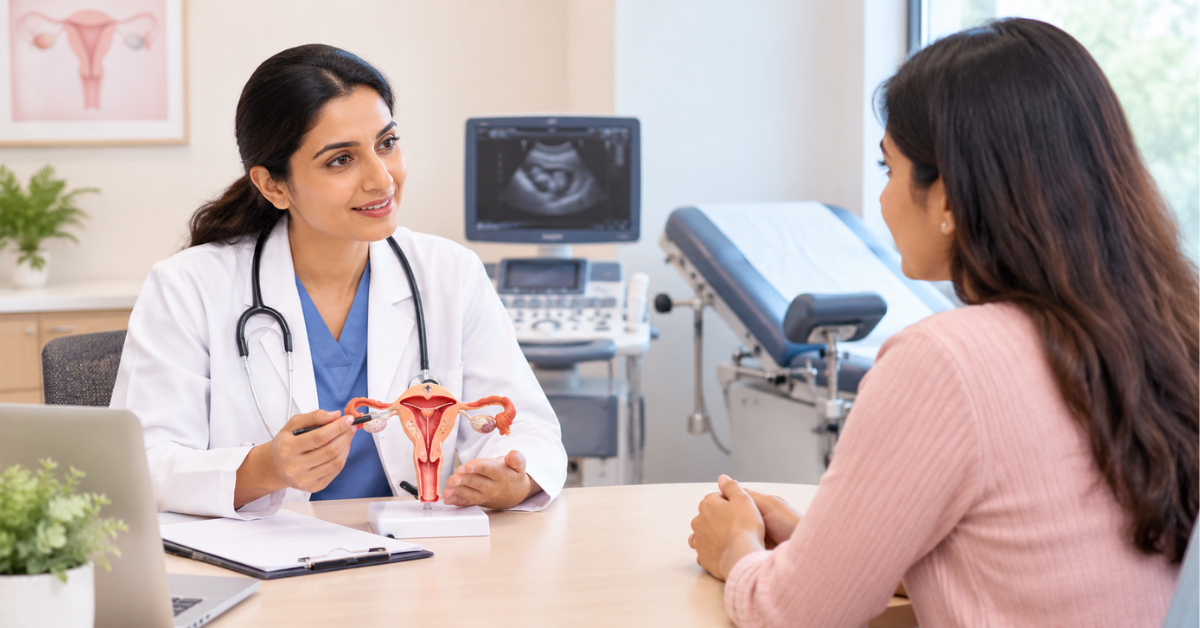
A gynecological consultation helps women understand and manage their reproductive and overall health. Whether you are visiting a gynecologist for the first time or discussing a specific concern, the appointment provides an opportunity to ask questions in a respectful, confidential clinical setting. Knowing what to expect can help you feel more comfortable and prepared.
What Happens At The Beginning Of A Gynecological Consultation?
The consultation usually begins with a discussion of your health and medical history. Your gynecologist may ask about your symptoms, menstrual cycle, previous pregnancies, medications, allergies, and relevant family history.
You can explain any concerns you have been experiencing, including changes in your periods, pelvic discomfort, or unusual discharge. Sharing accurate information helps the doctor understand your needs and decide whether further evaluation is necessary.
What Questions Might A Gynecologist Ask?
Depending on your age and reason for visiting, your gynecologist may ask about:
- Menstrual health: Irregular periods, heavy bleeding, cramps, or missed periods.
- Reproductive health: Pregnancy planning, fertility concerns, or contraception.
- Other symptoms: Pelvic pain, unusual vaginal discharge, itching, or discomfort.
- Menopause: Changes in periods, hot flashes, or other related symptoms.
These questions help identify possible health concerns and guide appropriate care. You can also discuss sensitive issues without embarrassment; your concerns deserve attention and respect.
Is A Physical Or Pelvic Examination Always Necessary?
No. Not every gynecological appointment requires a physical or internal pelvic examination. The need depends on your symptoms, medical history, age, and the purpose of your visit.
If an examination is recommended, the doctor should explain why it may be helpful, what it involves, and what to expect. Your informed consent is important, and you can ask questions or express discomfort before or during the procedure.
What Tests Or Advice Might Be Recommended?
Your gynecologist may recommend blood tests, an ultrasound, cervical screening, or other investigations when clinically appropriate. These tests are not automatically necessary at every appointment.
Based on your concerns, the doctor may also discuss treatment options, menstrual health, contraception, pregnancy planning, or lifestyle adjustments. The next steps depend on your individual needs and findings.
How Can You Prepare For Your Appointment?
A little preparation can make your visit more productive.
- Note your last menstrual period and any recent cycle changes.
- Write down your symptoms, when they started, and how often they occur.
- Bring relevant medical reports and a list of medications.
- Prepare questions you would like to discuss.
Seek prompt medical attention for severe pelvic pain or unusually heavy bleeding, particularly if accompanied by weakness or fainting.
If you have concerns about menstrual health, reproductive symptoms, or preventive care, consulting a Gynae in Indore can help you understand which evaluations and next steps may be appropriate for your situation.
FAQs
1. What should I expect during my first gynecological consultation?
Expect a discussion about your health history, menstrual cycle, symptoms, and concerns. Further examination depends on your individual needs.
2. Do I need a pelvic examination at every gynecologist visit?
No. An internal examination is recommended only when appropriate for your symptoms, history, and clinical needs.
3. Should I visit a gynecologist during my period?
Yes, if needed. You generally do not have to postpone an appointment because of menstruation, although some tests may need rescheduling.
4. What should I bring to a gynecological appointment?
Bring relevant medical reports, medication details, menstrual dates, and a list of questions or symptoms you want to discuss.
5. When should I consult a gynecologist about menstrual problems?
Consult a gynecologist for persistent irregular periods, unusually heavy bleeding, severe cramps, missed periods, or significant changes in your menstrual cycle.