Bleeding during early pregnancy can be worrying for expecting mothers. However, it does not always indicate a serious problem. Some women experience light spotting during the first trimester, while others may have bleeding due to conditions that require medical attention. Understanding the possible causes and seeking timely medical advice can help protect the health of both the mother and the developing baby.
1. What Does Bleeding In Early Pregnancy Mean?
Bleeding in early pregnancy refers to vaginal bleeding that occurs during the first 12 weeks of pregnancy. It may appear as light spotting, pink or brown discharge, or heavier bleeding similar to a menstrual period.
The amount, colour, duration, and associated symptoms can vary. While some cases are harmless, every episode of bleeding should be discussed with a gynecologist to identify its cause.
2. Common Causes Of Bleeding In Early Pregnancy
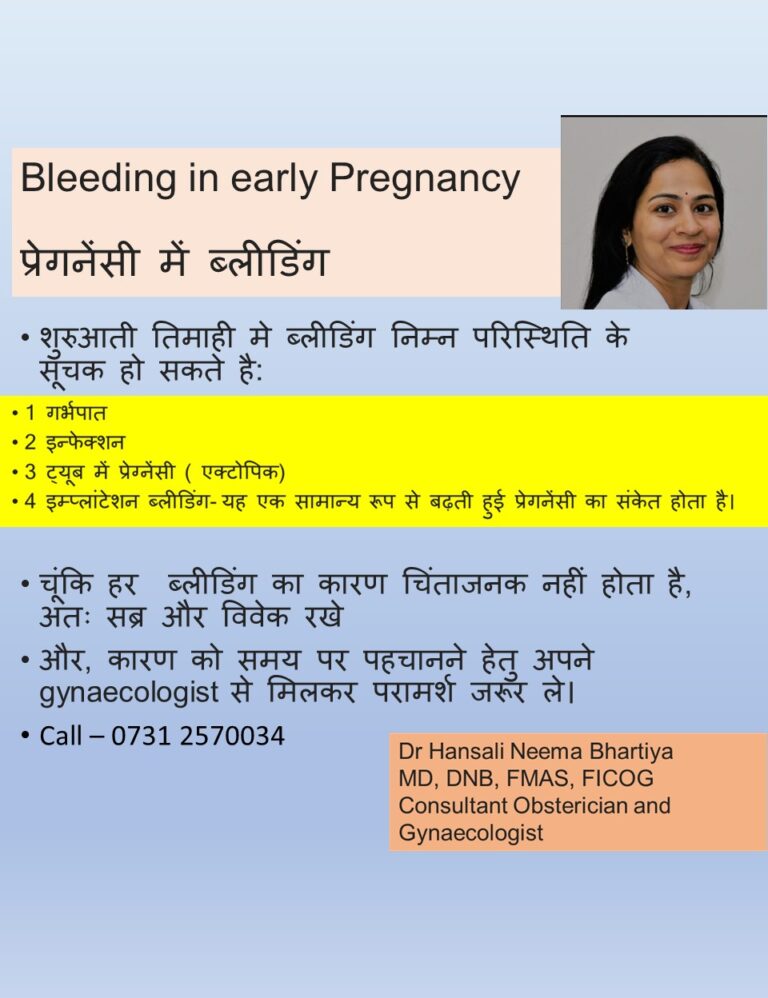
Several conditions can cause bleeding during the first trimester:
1. Miscarriage: Bleeding can sometimes indicate a miscarriage, particularly when accompanied by abdominal cramps, lower back pain, or tissue passing through the vagina. However, bleeding alone does not confirm pregnancy loss.
2. Infection: Vaginal or cervical infections may cause irritation and bleeding during pregnancy. Associated symptoms may include unusual discharge, itching, discomfort, or pain during urination.
3. Ectopic Pregnancy: An ectopic pregnancy occurs when a fertilised egg implants outside the uterus, commonly in a fallopian tube. It can cause vaginal bleeding, one-sided abdominal pain, dizziness, or shoulder-tip pain. This is a medical emergency requiring immediate attention.
4. Implantation Bleeding: Some women experience light spotting when the fertilised egg attaches to the uterine lining. It is generally light and short-lasting, although not all women experience it.
3. When Should You Be Concerned About Bleeding?
Heavy bleeding, severe abdominal pain, one-sided pelvic pain, dizziness, fainting, or shoulder-tip pain require urgent medical evaluation. These symptoms may indicate complications such as ectopic pregnancy or significant blood loss.
Even light spotting should not be ignored. Avoid self-medication and consult a qualified gynecologist for appropriate assessment.
4. How Is Bleeding During Early Pregnancy Evaluated?
A gynecologist may recommend a pelvic examination, ultrasound scan, and blood tests to assess the pregnancy. An ultrasound helps determine the location of the pregnancy and evaluate its development. Blood tests, including pregnancy hormone (hCG) measurements, may be advised when necessary.
The treatment depends on the underlying cause and the mother’s condition.
5. When Should You Consult A Gynecologist?
If you experience bleeding during early pregnancy, stay calm but do not delay medical consultation. Timely evaluation helps identify the cause and determine whether any treatment or monitoring is required.
FAQs
1. Is bleeding normal during early pregnancy?
Light spotting can occur, but any bleeding should be discussed with a gynecologist.
2. Does bleeding always mean miscarriage?
No. Bleeding may occur for several reasons, and it does not always indicate pregnancy loss.
3. Can implantation bleeding harm the baby?
Light implantation-related spotting is generally not harmful, but its cause should not be assumed without medical assessment.
4. Can ectopic pregnancy cause bleeding?
Yes. Ectopic pregnancy may cause vaginal bleeding and abdominal pain and requires urgent medical attention.
5. When should I visit a gynecologist for pregnancy bleeding?
Consult a gynecologist promptly for any bleeding. Seek emergency care if bleeding is heavy or accompanied by severe pain, dizziness, or fainting.